The shadow turnover of mobile phones in Armenia is approximately twice as high as the legal one, so the authorities must take additional measures to increase trade transparency. Prime Minister Nikol Pashinyan stated this at a government meeting. According to him, the problem concerns not only smartphones: household appliances and computers are also at risk.
The authorities consider QR stickers on goods to be one of the main control tools. In November, they will begin using them in test mode for new categories of products, including sweets, frozen semi-finished products, medical devices, certain pharmaceutical goods, equipment, footwear, furniture and interior items, auto parts, tires, toys, and natural fur clothing. As reported by Vrezh Mkhitaryan, Deputy Head of the State Revenue Committee, labeling is already applied to tobacco, alcohol, soft drinks, most food products, perfumery, and some medicines.
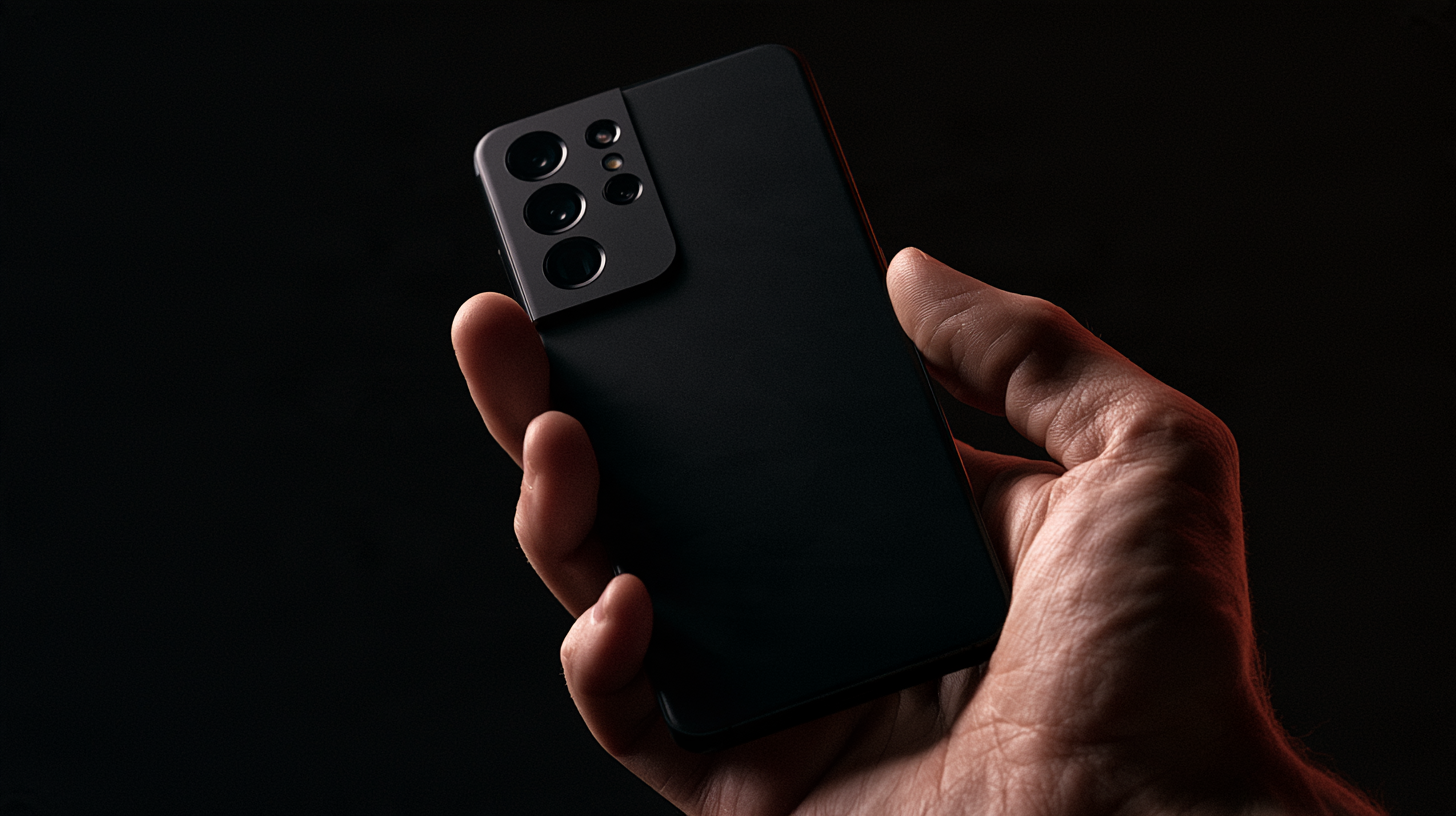
Pilot application of QR codes on mobile phones has already been conducted, while extending the system to household appliances is currently being coordinated with the Eurasian Economic Commission. Pashinyan instructed officials to expedite the inclusion of these goods in the list for continuous monitoring. He also noted that in January–September, tax revenues exceeded the target by 120 billion drams, with 70–80% of the additional amount provided by retail trade, the transparency of which has increased.