Translated with AI from the Russian original.
Konstantin Petrosov, Director of the ARKA news agency, stated that the main threat to modern journalism lies not so much in the potential replacement of employees by artificial intelligence as in the weakening economic sustainability of professional newsrooms. He announced this speaking at the 3rd Russian-Armenian Media Forum at the Russian-Armenian University. According to him, society’s need for quality information is growing, yet media outlets’ ability to fund journalists’ work is declining, despite the accelerated dissemination of news enabled by technology.
Petrosov cited the development of AI and news aggregators, which use editorial content and thereby weaken newsrooms’ direct economic connection with their audience, as one of the problems. At the same time, analytical publications require significant time and financial investment, yet often garner fewer views than entertainment and emotional content. An additional challenge is the declining trust in news: according to data he cited, the global figure has dropped to 37%. Under these circumstances, the media must pay more attention to verified information, analytics, and explaining complex events.
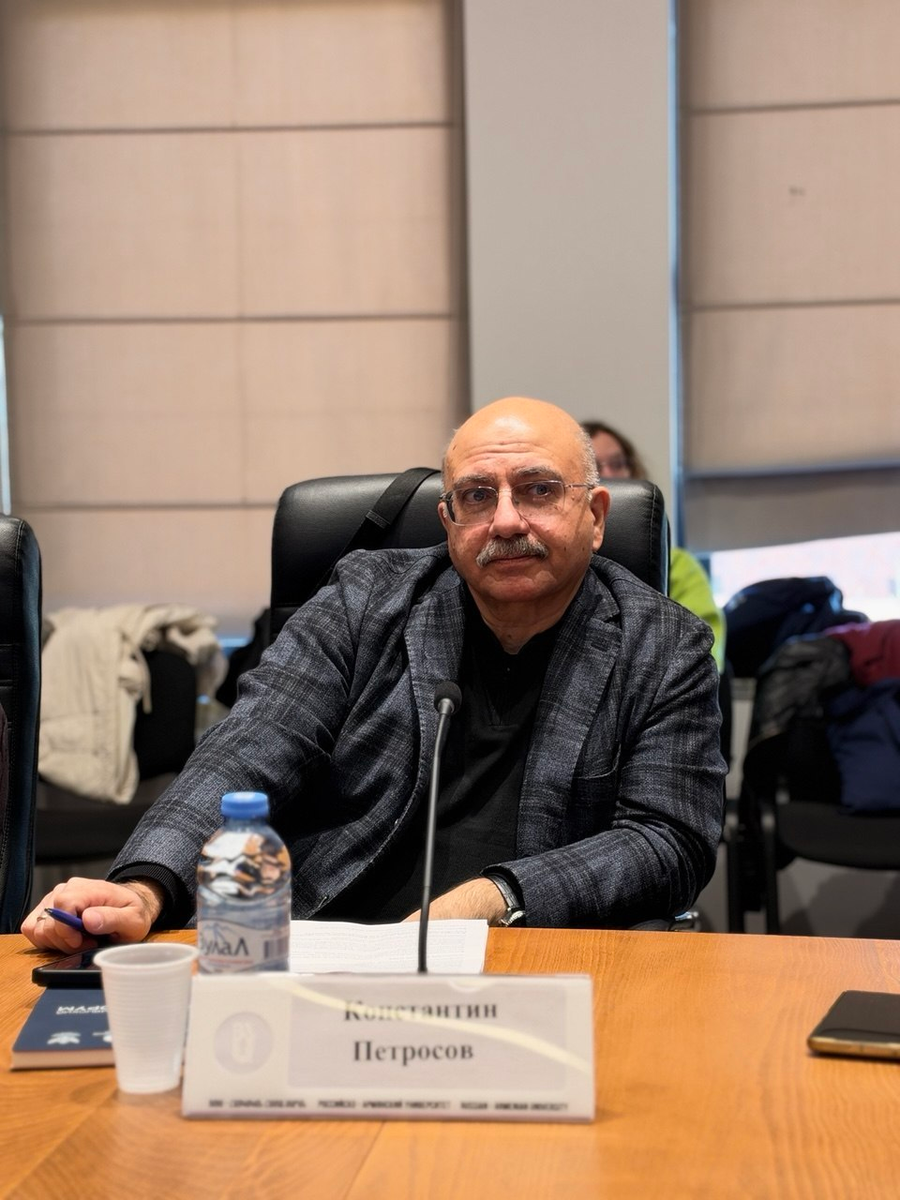
Among the key professional skills of the future, the head of ARKA highlighted fact-checking, working with primary sources, deep specialization, and the responsible use of artificial intelligence for routine tasks. According to Petrosov, technology may learn to quickly retell published materials, but gathering information, verifying it, and bearing responsibility for its accuracy will remain the tasks of professional journalists. “We can teach AI to retell news. But we still have to preserve those who will uncover this news, verify it, and be accountable for it,” he emphasized.