Translated with AI from the Russian original.

Armenia still has a significant reserve of quotas for duty-free electric vehicle imports. As reported by Armenia's Minister of Economy Gevorg Papoyan, as of June 1, out of the 15,000 vehicles planned for 2026, only 7,946 quotas have been used, which is about 53% of the total volume. Thus, 7,054 quotas remain available.

A separate quota of 3,000 electric vehicles was allocated for official dealers. Of this, 1,177 vehicles have been used, and another 1,823 spots remain available. This measure is intended to support the development of official sales channels and the expansion of the electric vehicle range in the local market.

Individuals and companies without dealer status were given the opportunity to import up to 12,000 electric vehicles duty-free. Currently, 6,769 quotas have been used, while another 5,231 remain available. The large number of remaining free quotas could stimulate further growth in electric vehicle imports in the second half of the year.

Now on the front page

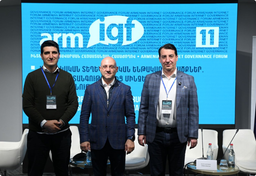
Armenia discussed AI development, cybersecurity, and digital infrastructure

Armenia discussed AI development, cybersecurity, and digital infrastructure

At the ArmIGF 2026 forum, participants outlined the conditions for the safe adoption of artificial intelligence.

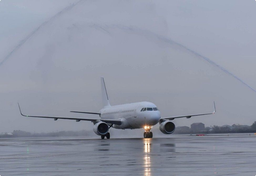
Sofia and Yerevan resume direct flights

Sofia and Yerevan resume direct flights

Flights are operated by Bulgarian GullivAir in cooperation with Bulgaria Air

Cyprus to help Armenia integrate artificial intelligence in schools

Cyprus to help Armenia integrate artificial intelligence in schools

Nicosia is ready to share recommendations for educators on using AI in teaching with Yerevan.

Armenia will allocate at least $14 million for the development of AI and robotics

Armenia will allocate at least $14 million for the development of AI and robotics

The seven-year program envisages the creation of two laboratories and the training of 330 specialists.

Armenia's Ministry of Internal Affairs explained who will store citizens' biometric data during the issuance of new passports

Armenia's Ministry of Internal Affairs explained who will store citizens' biometric data during the issuance of new passports

The private company HayPass is only responsible for collecting biometric information and transferring it to the state. Data management and storage remain under the authority of state bodies.

Armenia, the US, and Azerbaijan launch working groups to implement the “Trump Route”

Armenia, the US, and Azerbaijan launch working groups to implement the “Trump Route”

Trilateral teams will focus on developing transport infrastructure and electricity transmission within the TRIPP project, as well as its integration with other regional networks.

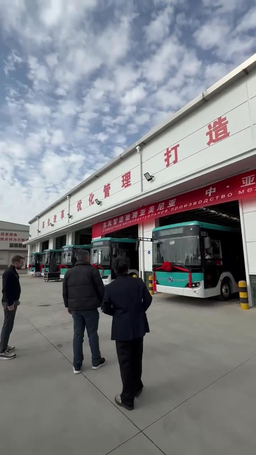
Vanadzor purchased 45 buses in China for $4.5 million: old “GAZelles” to retire

Vanadzor purchased 45 buses in China for $4.5 million: old “GAZelles” to retire

New public transport will be sent to Armenia in three days

Passports with “golden” numbers for an additional fee may be introduced in Armenia

Passports with “golden” numbers for an additional fee may be introduced in Armenia

The Ministry of Internal Affairs is also considering benefits for biometric documents for pensioners and people with disabilities

An automated passport control system will be installed at Yerevan airport by the end of the year

An automated passport control system will be installed at Yerevan airport by the end of the year

The equipment will be placed in the arrival and departure areas of “Zvartnots” to speed up border crossing

Armenian engineering program ArMath has opened its 18th laboratory abroad — this time in Iraq

Armenian engineering program ArMath has opened its 18th laboratory abroad — this time in Iraq

A new educational center has begun operations in Iraqi Kurdistan following the training of local teachers in programming and robotics

Armenia to invest at least $14 million in the development of physical AI over seven years

Armenia to invest at least $14 million in the development of physical AI over seven years

The state and private sector will fund robotics and artificial intelligence research on a parity basis