Nobel laureate in economics Daron Acemoglu stated that artificial intelligence is already becoming one of the main forces changing the structure of the world economy. According to him, the impact of AI will be massive and will affect employment, the education system, and the global distribution of labor.
The economist noted that technological development can lead to both positive and negative consequences, and the ultimate effects cannot yet be accurately predicted. Already, according to him, AI is beginning to influence the labor market in industrialized countries, and in the future, it could significantly change economic models.
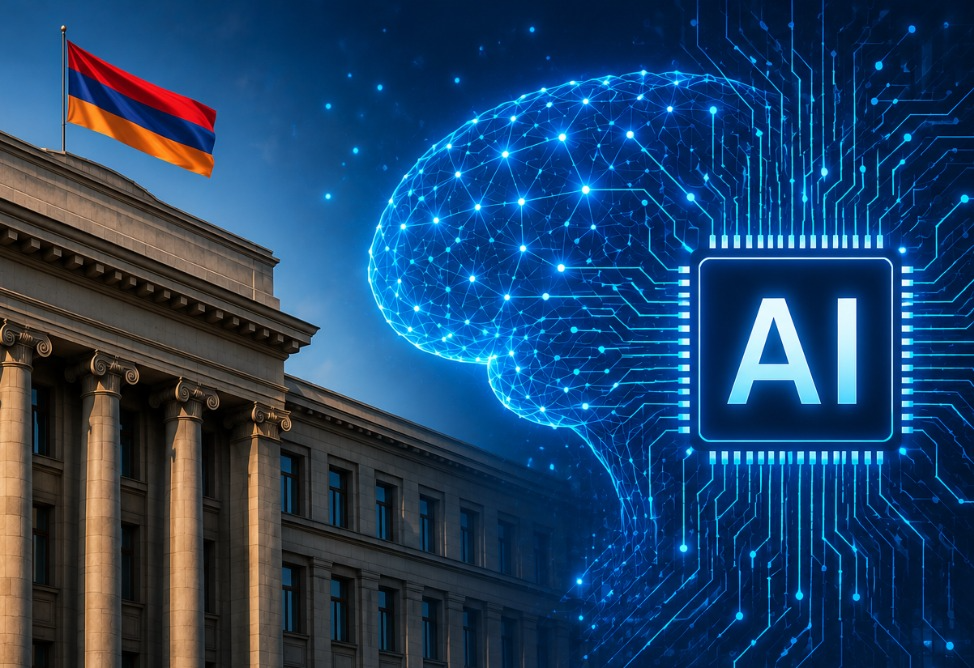
He specifically emphasized the need for societies to accelerate their adaptation to the new technological era, including rethinking approaches to education and labor organization.
Speaking about Armenia's prospects, Acemoglu noted that the country has specific competitive advantages that distinguish it from a number of states in the region. In the absence of significant natural resources, digital transformation can become the main driver of development.
At the same time, he pointed out the limitations associated with a small domestic market and geographical isolation from large sales centers, which remains an important challenge for long-term economic growth.